 International Epilepsy Day is celebrated on the second Monday of February each year.
What is a Seizure?
In layman’s terms, we call it a mirgi ka attack, daura padna, or jhatka aana. Different names, different places, but the same underlying event. A seizure is a sudden, uncontrolled burst of electrical activity in the brain that can lead to involuntary muscle movements, changes in behavior, or loss of consciousness.
When a person has multiple unprovoked seizures, it is classified as Epilepsy. While there are complex neurological classifications for these episodes, my goal here isn’t to give a neurosurgery lecture—it’s to raise awareness and dismantle the social stigma.
Epilepsy is NOT a mental illness, nor is it contagious. It is a neurological disorder. Thanks to advancements in pharmacology and technology, we can diagnose and treat it effectively.
What Causes Seizures?
The triggers are diverse and can include:
● Hypoxic brain injury at birth or congenital anomalies.
● Encephalopathy or Meningitis (including Tubercular Meningitis).
● Traumatic head injuries.
● Brain tumors.
First Aid: What to do during an attack?
▪︎ Stay Calm: Your panic won’t help the patient.
▪︎ Ensure Safety: Move them away from danger (sharp objects, heights, or water).
▪︎ Positioning: Place a cushion under their head and turn them onto their side (lateral recovery posture). This keeps the airway clear.
▪︎ Do Not Restrain: Do not put anything in their mouth or try to hold them down.
▪︎ Call for Help: Contact an ambulance immediately.
The Path to Recovery
▪︎ After an episode, the patient will undergo investigations to find the cause and will be started on anti-epileptic drugs (AEDs).
▪︎ Consistency is Key: You can miss a meal, but you cannot miss a dose.
▪︎ Follow-up: Stay in touch with your neurologist. Google can provide information, but it cannot monitor your brain waves or adjust your dosage.
A Message to Families and Patients
▪︎ To Families: A person with epilepsy is already fighting an internal battle; don’t make the external environment harder. With controlled seizures, they can achieve anything. Provide love, a safe environment, and zero judgment.
▪︎ To Patients: Your nervous system is working overtime, so help it out. Prioritize sleep, eat on time, and strictly avoid alcohol and smoking, as these significantly lower the seizure threshold.
🧠 Neurosurgeon’s Insights (The Reality of the OPD)
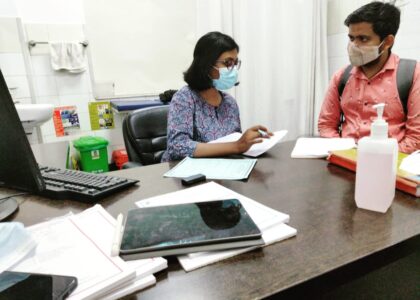
● As a neurosurgeon, I see the intersection of pathology and poverty every day. Poverty makes epilepsy a much heavier burden. Patients often tell me, “Ma’am, I missed my doses because I couldn’t afford them.” My role goes beyond surgery; it involves education. I prioritize prescribing affordable generic medications and providing longer-term prescriptions to reduce the travel costs for patients coming from afar.
Today’s Case Studies:
▪︎ A 2-year-old with Cerebral Palsy.
▪︎ A 9-year-old facing their first-ever episode.
▪︎ A 24-year-old student with Hippocampal Sclerosis (refractory to multiple drugs).
▪︎ A 14-year-old girl with a traumatic head injury.
The Gender Gap in India
● In India, the struggle is amplified for women. Finding a supportive partner, facing the threat of divorce due to the disorder, and navigating the risks of pregnancy while on AEDs are massive hurdles. The social “gossip” often hurts more than the disease itself.
☆☆☆ Our brain is capable of amazing things. With willpower, medical compliance, and a supportive society, we can manage this. Let’s take a pledge today to remove the stigma and replace it with support.